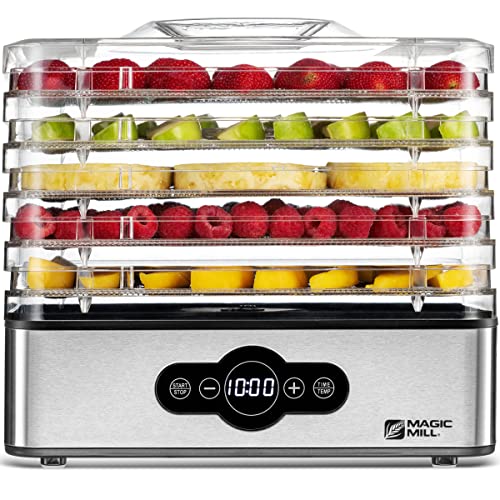
10 Health benefits of dehydrated vegetables
Dehydrated vegetables offer several health benefits, making them a convenient and nutritious option for adding variety to your diet. Here are ten health benefits of dehydrated vegetables:
- Nutrient Retention: Dehydrated vegetables retain a significant portion of their original nutrients, including vitamins, minerals, and antioxidants. While some nutrient loss occurs during dehydration, it's generally minimal compared to other preservation methods.
- Long Shelf Life: Dehydrating vegetables removes moisture, which inhibits the growth of bacteria, yeast, and molds, extending their shelf life. Properly stored dehydrated vegetables can last for several months to years without spoiling, making them an excellent option for emergency food supplies or long-term storage.
- Concentrated Nutrients: Removing water from vegetables through dehydration results in a more concentrated form of nutrients. This means that a smaller serving of dehydrated vegetables can provide the same nutritional benefits as a larger serving of fresh vegetables.
- Convenience: Dehydrated vegetables are lightweight, compact, and require no refrigeration, making them convenient for travel, camping, hiking, or emergency preparedness. They are also easy to rehydrate by soaking in water or adding to soups, stews, or sauces.
- Versatility: Dehydrated vegetables can be used in various dishes, including soups, stews, casseroles, salads, pasta dishes, and even as snacks on their own. They add flavor, texture, and nutritional value to meals without the need for extensive preparation.
- Fiber Content: Dehydrated vegetables are a good source of dietary fiber, which supports digestive health, promotes satiety, and helps regulate blood sugar levels. Including dehydrated vegetables in your diet can contribute to your daily fiber intake.
- Low in Calories: Dehydrated vegetables are generally low in calories compared to other snack options, making them a healthy choice for weight management. They provide nutrients and flavor without excess calories, fat, or added sugars.
- Preservation of Phytochemicals: Dehydrated vegetables retain many of the phytochemicals found in fresh vegetables, which have been associated with various health benefits, including reducing inflammation, supporting heart health, and reducing the risk of chronic diseases.
- Reduction of Food Waste: Dehydrating vegetables is an excellent way to preserve excess produce from your garden or farmers' market haul. It helps prevent food waste by extending the shelf life of vegetables that might otherwise spoil before being consumed.
- Year-Round Availability: Dehydrated vegetables offer a convenient way to enjoy seasonal produce year-round. By dehydrating surplus vegetables during peak harvest times, you can enjoy their nutritional benefits even when they're out of season.
While dehydrated vegetables offer many health benefits, it's essential to choose varieties without added salt, sugar, or preservatives for the healthiest option. Additionally, be sure to drink plenty of water when consuming dehydrated vegetables, as they can contribute to your daily fluid intake.