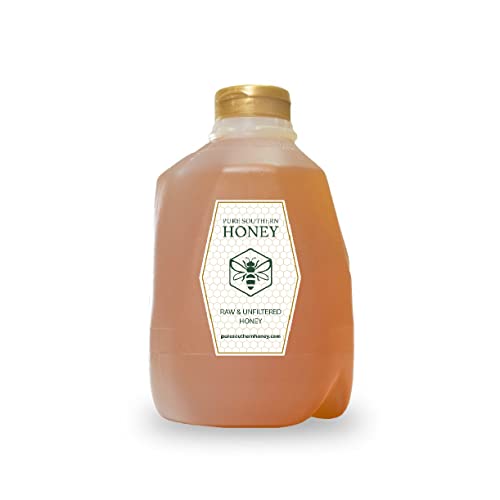
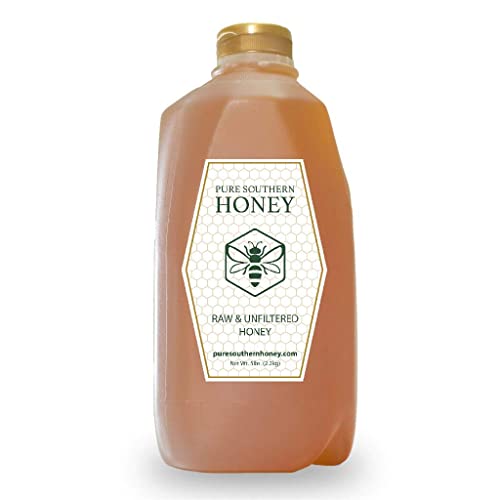
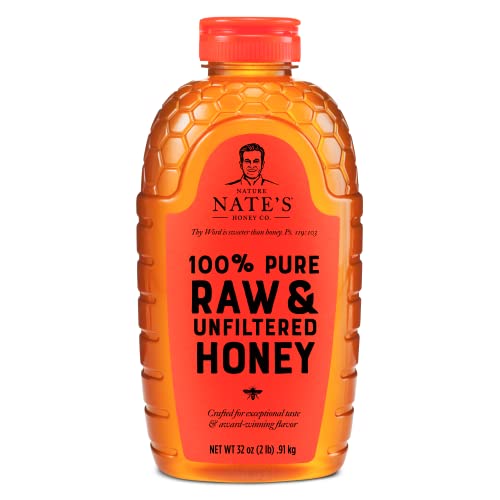
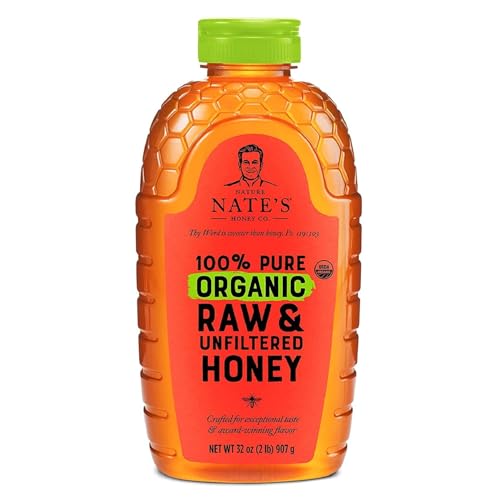
Raw honey is not just a delicious natural sweetener to add to your tea or toast, it also comes with a host of health benefits. One of the most well-known benefits of raw honey is its ability to soothe a sore throat and cough. Its antimicrobial properties help to kill bacteria and viruses, while its thick consistency coats the throat for instant relief.
But that's not all raw honey can do for your health. It's also packed with antioxidants, which help to reduce inflammation in the body and protect against chronic diseases like heart disease and cancer. These antioxidants can also help to boost your immune system, making you less susceptible to illnesses.
In addition to its antioxidant properties, raw honey is also a natural energy booster. Its natural sugars provide a quick source of energy, making it a great pre-workout snack or a pick-me-up when you're feeling sluggish. Plus, raw honey contains trace amounts of vitamins and minerals like vitamin C, calcium, and iron, making it a nutritious addition to your diet. So next time you're looking for a natural remedy or a healthy alternative to sugar, reach for a jar of raw honey and experience its powerful health benefits firsthand.
Ways to Use Raw Honey
One of the simplest ways to use raw honey is as a natural sweetener. Instead of reaching for processed sugar, try adding a drizzle of honey to your morning oatmeal, smoothie, or cup of tea. Not only does honey add a touch of sweetness, but it also contains beneficial enzymes and antioxidants that can help support your overall health.
2. For Immune Support
Raw honey is known for its immune-boosting properties, making it a great addition to your daily routine during cold and flu season. The antioxidants and antibacterial properties in honey can help fight off infections and support a healthy immune system. Mix a spoonful of raw honey with warm water and a squeeze of lemon for a soothing and immune-boosting drink.
3. As a DIY Face Mask
In addition to its internal benefits, raw honey can also be used topically to promote healthy skin. Mix raw honey with a splash of water or a few drops of essential oils to create a natural face mask. Apply the mixture to your face, let it sit for 10-15 minutes, then rinse off with warm water. Honey is known for its antibacterial properties and can help reduce inflammation, making it a great option for anyone looking to improve their skin health.
Choosing the Best Raw Honey
Another important factor to consider is the source of the honey. Look for honey that is locally sourced, as this can help to ensure the quality and purity of the product. Local honey is also believed to have immune-boosting properties, as it may contain trace amounts of local pollen that can help to desensitize allergic reactions.
When shopping for raw honey, be sure to read the labels carefully. Avoid honey that contains added sugars or preservatives, as these can diminish the health benefits of the honey. Instead, look for honey that is pure and minimally processed, with a rich flavor and aroma that indicates high quality.
In addition, consider seeking out honey that is organic or sustainably produced. These types of honey are often produced using environmentally friendly practices and may be free from harmful pesticides and chemicals. By choosing the best raw honey available, you can enjoy all of the health benefits that this natural wonder has to offer.
Cautions When Using Raw Honey
Raw honey is a natural sweetener that has been used for centuries for its health benefits. However, there are some important cautions to keep in mind when using raw honey. It is important to note that raw honey should not be given to infants under the age of one year old. This is because raw honey can contain spores of bacteria that can cause botulism in babies with underdeveloped immune systems.
Another caution when using raw honey is that it should not be heated above 95 degrees Fahrenheit. Heating raw honey can destroy its beneficial enzymes and antioxidants, reducing its health benefits. Additionally, raw honey should not be stored in metal containers. Metal can react with the acids in honey, altering its taste and potentially leaching harmful substances into the honey.
It is also important to be aware that raw honey can cause an allergic reaction in some individuals. People who are allergic to bee pollen or bee stings may also be allergic to raw honey. Symptoms of a raw honey allergy can range from mild to severe and can include itching, swelling, hives, or even anaphylaxis. If you have a known allergy to bee products, it is best to avoid consuming raw honey altogether.